Blue Sapphire Engagement Rings
in Singapore
Blue is not one colour. From regal royal to luminous cornflower and moody teal — how to choose the blue that will still stop your heart in thirty years.
Ask ten people to picture a blue sapphire engagement ring and you will get ten different blues. The choice of shade shapes everything: how the ring reads across a dinner table, which metals flatter it, what it costs, and the personality it projects from the hand.
This guide is devoted entirely to that choice. For certification, treatments and how to verify what you are buying, see our natural blue sapphire guide; for the broader buying journey, the Ceylon sapphire engagement ring guide covers settings, prices and process end to end.
The blues, decoded
- Royal blue — deep, saturated, formal. The blue of state occasions and the world's most photographed engagement rings. Commands the strongest prices alongside cornflower.
- Cornflower blue — the celebrated Ceylon signature: a soft, luminous, slightly powdery blue that seems lit from within. Romantic where royal blue is regal.
- Violet-blue — blue with a whisper of purple that flatters warm skin tones and glows in evening light. Often exceptional value.
- Teal & steel blue — blue-green and grey-blue stones beloved for unconventional, modern rings. Distinctive and increasingly sought after.
- Ice blue — pale, bright, almost aquamarine freshness with lively sparkle. The most understated way to wear colour.
How each blue behaves in real light
A sapphire lives most of its life indoors — and this is where shade choice earns its keep. Very dark stones can slide toward black under warm restaurant lighting; over-pale stones can wash out under office fluorescents. The connoisseur's target is a vivid blue of medium tone that stays recognisably, unmistakably blue in every room.
Fine Ceylon stones are prized for precisely this stability: their higher transparency keeps light moving through the stone, so the colour stays alive where darker-origin sapphires go quiet. When comparing stones, always view them under at least three lights — daylight, warm indoor and cool white — before deciding.
Why blue: symbolism and the royal precedent
Blue sapphire has meant fidelity, wisdom and constancy since antiquity — mediaeval courts held that its colour would dim in the presence of deceit, which made it the definitive stone of promises. It remains the gem of the 5th and 45th wedding anniversaries and September's birthstone.
The modern era's most influential engagement ring — the 12-carat blue sapphire chosen by Diana, Princess of Wales, now worn by the Princess of Wales — is widely reported to be a Ceylon stone. One ring made blue sapphire shorthand for a love story that outlasts fashion.
Metals and settings for every blue
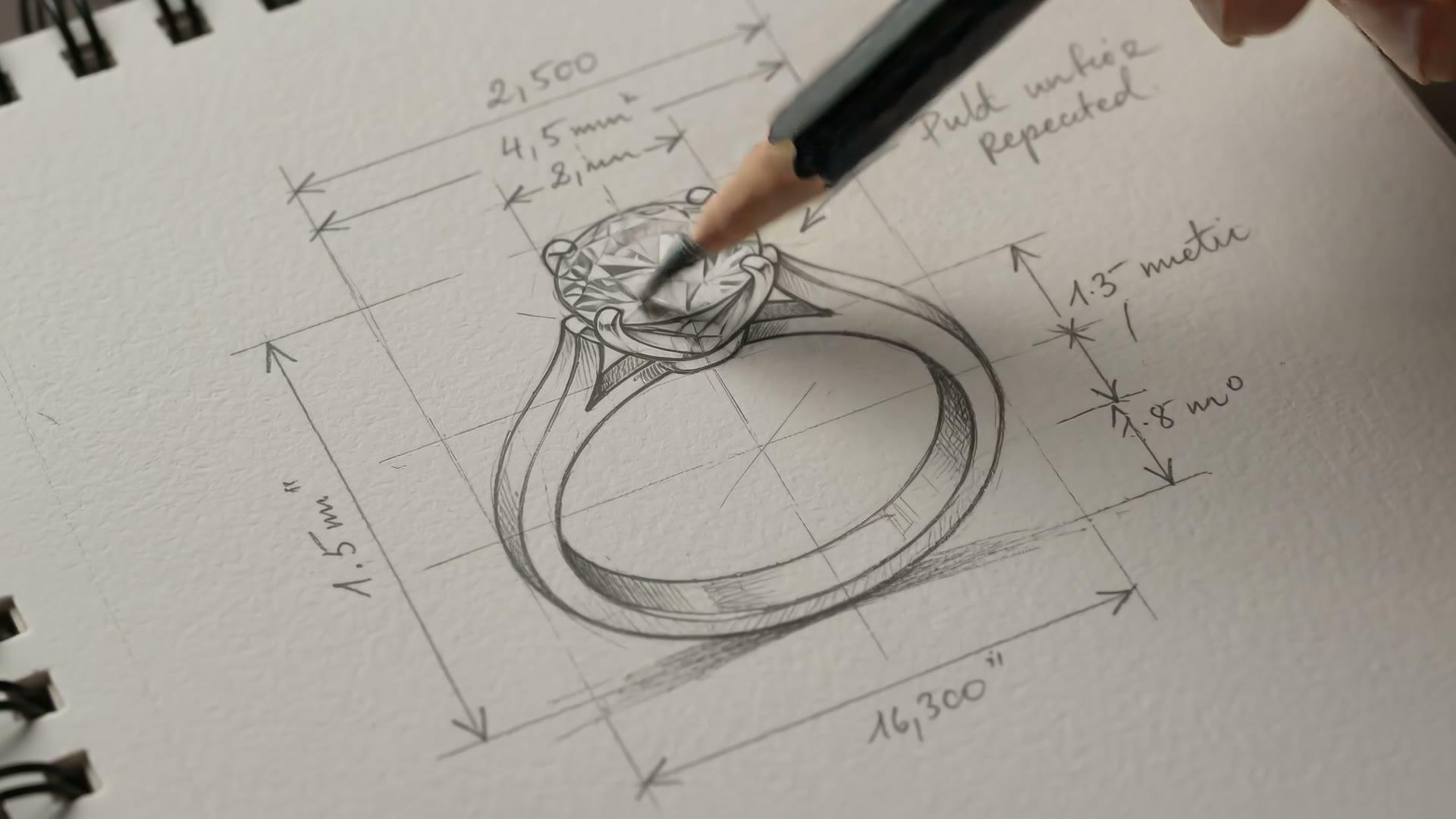
White metals — platinum and 18k white gold — cool and intensify a blue stone; they are the default for royal blue and ice blue alike. Yellow gold warms a cornflower stone into something gloriously vintage. Rose gold is the secret weapon for violet-blues and teals, pulling out their warmth.
Setting-wise, a diamond halo amplifies saturation by contrast — the classic treatment for royal blue. Solitaires suit stones confident enough to stand alone; trilogy designs add symbolism and finger presence. East-west and bezel settings modernise teal and steel stones beautifully.
Cuts and shapes that flatter blue
Oval is the reigning shape for blue sapphire engagement rings — it maximises face-up size, flatters the finger and hides minor colour zoning. Cushion cuts give a pillowy, heritage softness; rounds read most classic; emerald cuts turn a top-colour stone into architecture, but demand high clarity and even saturation since they hide nothing.
Because sapphires are cut for colour rather than to standardised proportions, judge each stone individually: look for colour returned evenly across the whole face, without a washed-out window at the centre or dark extinction at the edges.
How shade moves the price
| Shade | Character | Relative price |
|---|---|---|
| Royal blue | Deep, saturated, formal | Highest |
| Cornflower blue | Luminous, soft, signature Ceylon | Highest |
| Violet-blue | Romantic, warm-toned | Mid to high |
| Teal / steel | Modern, unconventional | Accessible |
| Ice blue | Pale, bright, subtle | Accessible |
Two practical consequences. First: if maximum blue for the budget is the goal, a slightly lighter cornflower stone often out-glows a darker royal stone that costs the same. Second: teal and ice stones let you buy meaningfully larger — a route to serious presence without serious escalation.
Frequently asked questions
Which blue sapphire shade is most valuable?
Vivid royal blue and fine cornflower blue sit at the top of the market when saturation is even and tone is medium — neither inky nor pale. Between those two, value is a matter of taste rather than hierarchy; both are considered the pinnacle blues.
Will a blue sapphire look dark or black indoors?
An over-dark stone can — which is why tone matters more than depth on paper. A well-chosen medium-tone stone, particularly a transparent Ceylon blue, stays visibly blue under restaurant light, office light and daylight alike. Always assess a stone under multiple light sources.
What blue sapphire is in the famous royal engagement ring?
The 12-carat oval blue sapphire chosen by Diana, Princess of Wales in 1981 — now worn by Catherine, Princess of Wales — is widely reported to be of Ceylon (Sri Lankan) origin, set in a diamond halo. It remains the most influential coloured-stone engagement ring ever made.
What does a blue sapphire engagement ring symbolise?
Fidelity, wisdom, truth and constancy — a symbolism unbroken since antiquity. It is also September's birthstone and the gem of the 5th and 45th anniversaries, layering personal calendar meaning onto the romance.
Which metal suits a blue sapphire best?
Platinum and white gold intensify blue and read most contemporary; yellow gold turns cornflower stones warmly vintage; rose gold flatters violet and teal stones. There is no wrong answer — bring the wearer's existing jewellery into the decision, since metal preference is usually already visible on their hand.
Do blue sapphires fade over time?
No. Sapphire's colour is structural, created by trace elements locked in the crystal — it does not fade with sunlight, water or age. The blue your ring has on day one is the blue it will have in fifty years.
Continue reading
Verify Before You Buy
Natural Blue Sapphire Rings in Singapore
Natural vs synthetic, treatments and certification, explained.
The Full Buying Guide
Ceylon Sapphire Engagement Rings in Singapore
Settings, prices and the commissioning journey end to end.
Why Origin Matters
Sri Lankan Sapphire Rings in Singapore
The island heritage behind the world's most luminous blues.
Find your blue
Compare certified royal, cornflower and teal sapphires side by side — online with instant pricing, or in person at a private Singapore consultation.