Ceylon Sapphire Engagement Rings
in Singapore
Everything you need to choose a Ceylon sapphire engagement ring with confidence — from colour and certification to settings, prices and the commissioning journey.
A Ceylon sapphire engagement ring carries something a diamond alone cannot: a colour with a birthplace. The island once called Ceylon — today's Sri Lanka — has produced the world's most luminous blue sapphires for over two thousand years, and a ring built around one is as individual as the person who wears it.
At Ceylon Gem Maison, we source these sapphires ethically at origin, cut them by hand, and set them for Singapore couples in our own atelier. This guide distils what we tell clients at every private consultation — so that whether you commission with us or elsewhere, you choose well.
Why a Ceylon sapphire for an engagement ring
Sapphires from Sri Lanka are prized for a very specific look: a bright, lively blue with high transparency, often described as cornflower or royal blue. Where sapphires from some origins can appear inky or over-dark indoors, a fine Ceylon stone keeps its light — it reads vividly blue across candlelight, office lighting and Singapore's fierce midday sun.
Practicality matters just as much for a ring worn every day. Sapphire is a 9 on the Mohs hardness scale — second only to diamond among natural gems — so it shrugs off the knocks of daily wear and holds a polish for decades. Between durability, colour and the romance of a traceable origin, it is no accident that some of the world's most famous engagement rings are built around this stone.
For the full story of where these gems come from and how they reach Singapore, read our dedicated guide to Sri Lankan sapphire rings.
Choosing your blue — and beyond
Colour drives more of a sapphire's beauty (and price) than any other factor. Royal blue is deep, saturated and formal; cornflower blue is softer and more luminous; violet-blue leans romantic; and paler ice blues sparkle with an almost aquamarine freshness. There is no objectively 'best' shade — there is the shade that suits the wearer's hand, wardrobe and taste.
Ceylon sapphires also come in colours beyond blue: soft pinks, sunny yellows, whites, and the fabled lotus-hued padparadscha. If the ring is for someone whose style is anything but conventional, a coloured sapphire makes an unforgettable centre stone.
For a deep dive into blue shades, lighting behaviour and which metals flatter each tone, see our guide to blue sapphire engagement rings.
The sapphire 4Cs — judged differently from diamonds
Diamond buyers memorise the 4Cs in a set order; sapphire buyers should re-rank them. With sapphires, colour is overwhelmingly first: an evenly saturated, vivid stone of medium tone commands more than a larger stone of washed-out or over-dark colour.
- Colour — look for even saturation without dark 'extinction' zones or washed-out windows. Vivid medium tones are the sweet spot.
- Clarity — sapphires are 'Type II' gems: minor silk-like inclusions are normal and can even improve colour. Eye-clean is the standard, not loupe-clean.
- Cut — sapphires are cut for colour, not calibrated symmetry. A well-cut stone returns colour across the whole face; avoid stones with a see-through 'window' at the centre.
- Carat — sapphires are denser than diamonds, so a 1-carat sapphire looks slightly smaller than a 1-carat diamond. Judge by millimetre size on the hand, not carat alone.
Settings and metals that flatter a sapphire
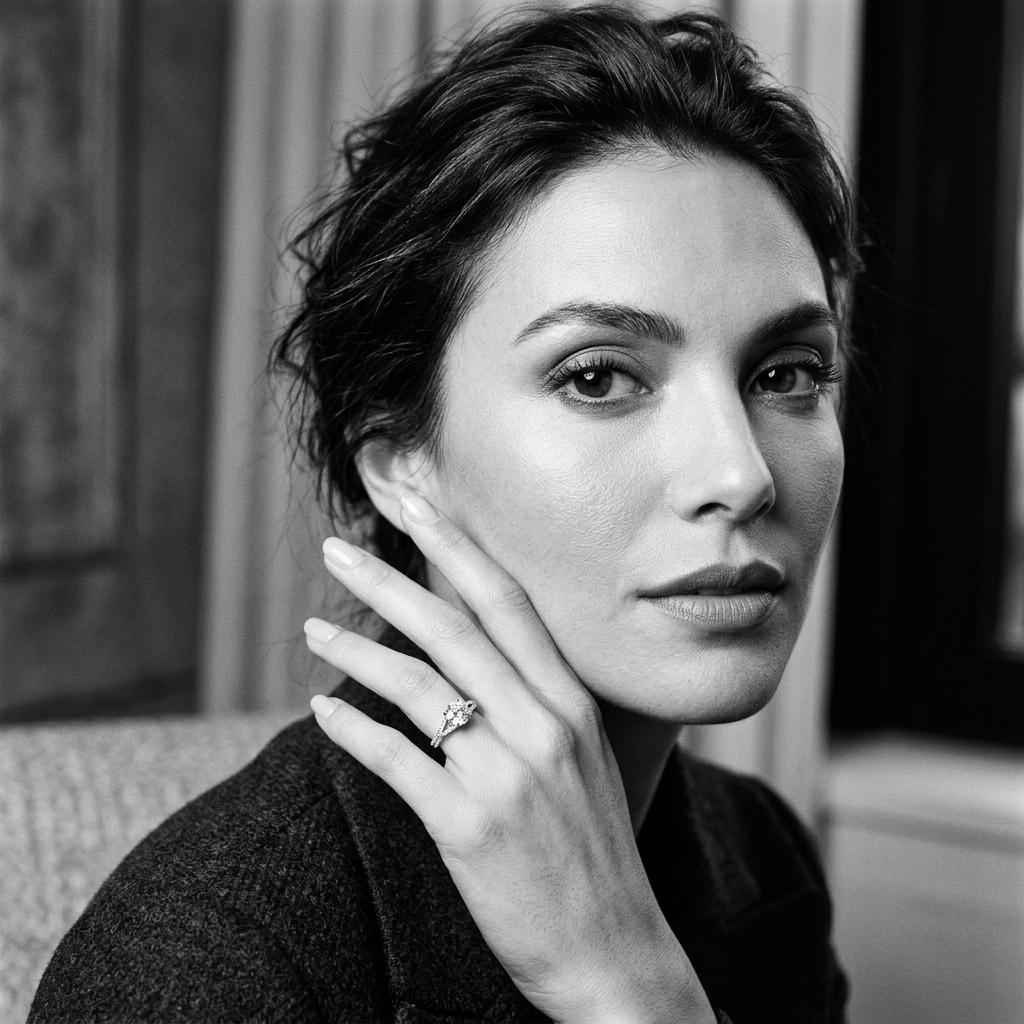
The classic pairing is a blue sapphire in a diamond halo — the surrounding white fire makes the blue read even more saturated. A solitaire on a fine band is the most modern, letting the stone speak alone; a trilogy (sapphire flanked by two diamonds) symbolises past, present and future and remains the most-commissioned style in our Singapore atelier.
On metal: platinum and 18k white gold cool and brighten a blue stone; 18k yellow gold gives a regal, vintage warmth; rose gold flatters violet-leaning blues and pink sapphires beautifully. Prong settings show the most light; bezels offer the most protection for active hands.
What a Ceylon sapphire engagement ring costs in Singapore
Prices vary enormously with colour grade, treatment status and size — far more than diamonds, which are commodity-priced. The ranges below are an honest indicative guide for a complete ring (certified centre stone plus an 18k gold or platinum diamond-accented setting) to help you set a budget; your exact figure depends on the stone you fall in love with.
| Centre stone | Typical size | Indicative ring price (SGD) |
|---|---|---|
| Fine heated Ceylon blue sapphire | 1.0 – 1.5 ct | 3,500 – 7,500 |
| Fine heated Ceylon blue sapphire | 2.0 ct + | 7,000 – 15,000 |
| Unheated Ceylon sapphire, certified | 1.0 – 1.5 ct | 6,500 – 15,000 |
| Top unheated royal / cornflower blue | 2.0 ct + | 15,000 – 40,000 + |
Certification: never buy blind
Every fine sapphire deserves an independent gemmological report confirming three things: that the stone is natural (not synthetic), what treatment — if any — it has undergone, and, where determinable, its origin. Heating is an accepted, permanent, centuries-old practice and most fine sapphires on the market are heated; what matters is honest disclosure and honest pricing.
Unheated stones with a Ceylon origin opinion command a meaningful premium because they are rarer. We explain how to read a report, what the recognised laboratories are, and how to verify a stone yourself in our companion guide to natural blue sapphire rings.
How to commission yours
There are two ways to create a Ceylon sapphire engagement ring with us. The guided route: a private consultation — in person in Singapore or over video — where we curate loose, certified sapphires to your brief and design around your chosen stone; the full journey is described in our bespoke sapphire engagement ring guide.
The independent route: our online design atelier lets you configure the stone, cut, setting and metal on screen with live 3D and an instant quotation — day or night, no appointment needed.
Either way, every ring is handcrafted, independently certifiable, and delivered fully insured anywhere in Singapore.
Buying in Singapore: what to expect
Singapore is one of Asia's best places to buy a sapphire: a trusted legal system, strong consumer protections, and direct flight lanes to Colombo mean serious houses can work directly with origin. When you buy from a maison that sources at origin, you skip the two or three intermediary margins built into typical retail pricing — which is why an origin-direct ring often costs less than a comparable stone in a mall showcase.
We serve clients across Singapore with private appointments, side-by-side loose-stone viewings, secret ring-size assistance for surprise proposals, and insured doorstep delivery. Begin with a consultation or explore the collection to calibrate your taste.
Frequently asked questions
How much does a Ceylon sapphire engagement ring cost in Singapore?
As an honest guide: complete rings with a fine heated Ceylon sapphire of around one carat typically start near SGD 3,500–7,500, while certified unheated stones command SGD 6,500 upward, and top royal or cornflower blues above two carats can exceed SGD 15,000–40,000. Because sapphires are individual, we price each ring from its actual stone — our online atelier gives an instant quotation for any configuration.
Are sapphires durable enough for everyday engagement rings?
Yes. Sapphire measures 9 on the Mohs scale — the hardest natural gemstone after diamond. It resists scratching from virtually everything encountered in daily life and holds its polish for generations, which is precisely why royalty has used it in engagement rings for centuries.
Is a heated Ceylon sapphire acceptable for an engagement ring?
Absolutely — heating is a permanent, stable, industry-accepted enhancement practised for centuries, and most fine sapphires worldwide are heated. What matters is disclosure: a heated stone should be certified as such and priced accordingly. Unheated stones are rarer and carry a premium for that rarity.
How long does it take to make a Ceylon sapphire engagement ring?
A typical commission takes four to eight weeks from confirmed design to delivery, depending on stone sourcing and the complexity of the setting. If your proposal date is close, tell us early — express timelines are often possible.
Can I view loose sapphires before committing?
Yes — comparing two or three certified stones side by side is the single best way to understand colour and value, and we encourage it at every private consultation. You will see how saturation, tone and cut differ at each price point before anything is set.
Sapphire or diamond — which is better for an engagement ring?
Neither is 'better'; they say different things. A diamond is tradition and pure brilliance; a sapphire adds colour, individuality and — in the case of Ceylon stones — a traceable origin story, usually at a lower price per carat of visual impact. Our journal compares the two in depth to help you decide.
Can the ring be resized later?
Yes. Most of our settings can be resized by a skilled bench jeweller, and we offer aftercare for every ring we make. If you are proposing as a surprise, we can also advise on discreet ways to establish the ring size beforehand.
Continue reading
The Bespoke Journey
Bespoke Sapphire Engagement Rings in Singapore
How a bespoke sapphire engagement ring is commissioned, step by step.
Choosing Your Blue
Blue Sapphire Engagement Rings in Singapore
Royal, cornflower, violet or teal — a complete guide to blue shades.
Natural & Certified
Natural Blue Sapphire Rings in Singapore
Treatments, laboratory reports and how to verify what you buy.
Beyond Engagement
Ceylon Sapphire Rings in Singapore
Eternity bands, cocktail rings and every other Ceylon sapphire ring.
Begin your Ceylon sapphire engagement ring
Design online with live 3D and instant pricing, or book a private consultation in Singapore and let us curate certified stones to your brief.